What is Mission-Driven Branding? A Comprehensive Guide to Authentic Growth
Why Mission-Driven Branding Matters More Than Ever

Mission driven branding is a strategic approach where a company's social or environmental purpose is at its core, communicated authentically across the entire business. Unlike traditional marketing that focuses on product features, mission-driven branding puts why a company exists and the impact it creates at the center of everything.
Key Elements of Mission-Driven Branding:
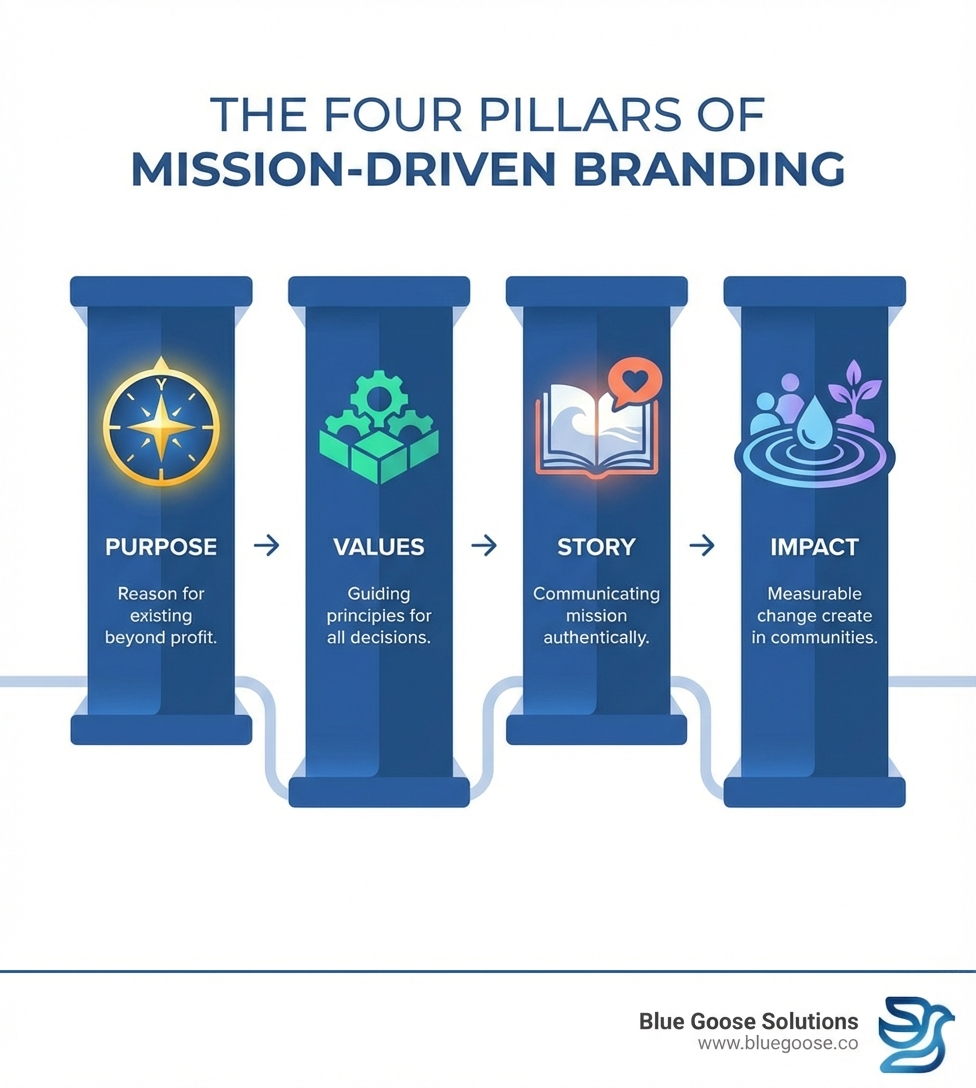
- Purpose - Your reason for existing beyond profit
- Values - The principles that guide every decision
- Authenticity - Living your stated mission, not just advertising it
- Impact - Measurable positive change in communities or the environment
- Stakeholder Alignment - Engaging customers, employees, and partners around shared values
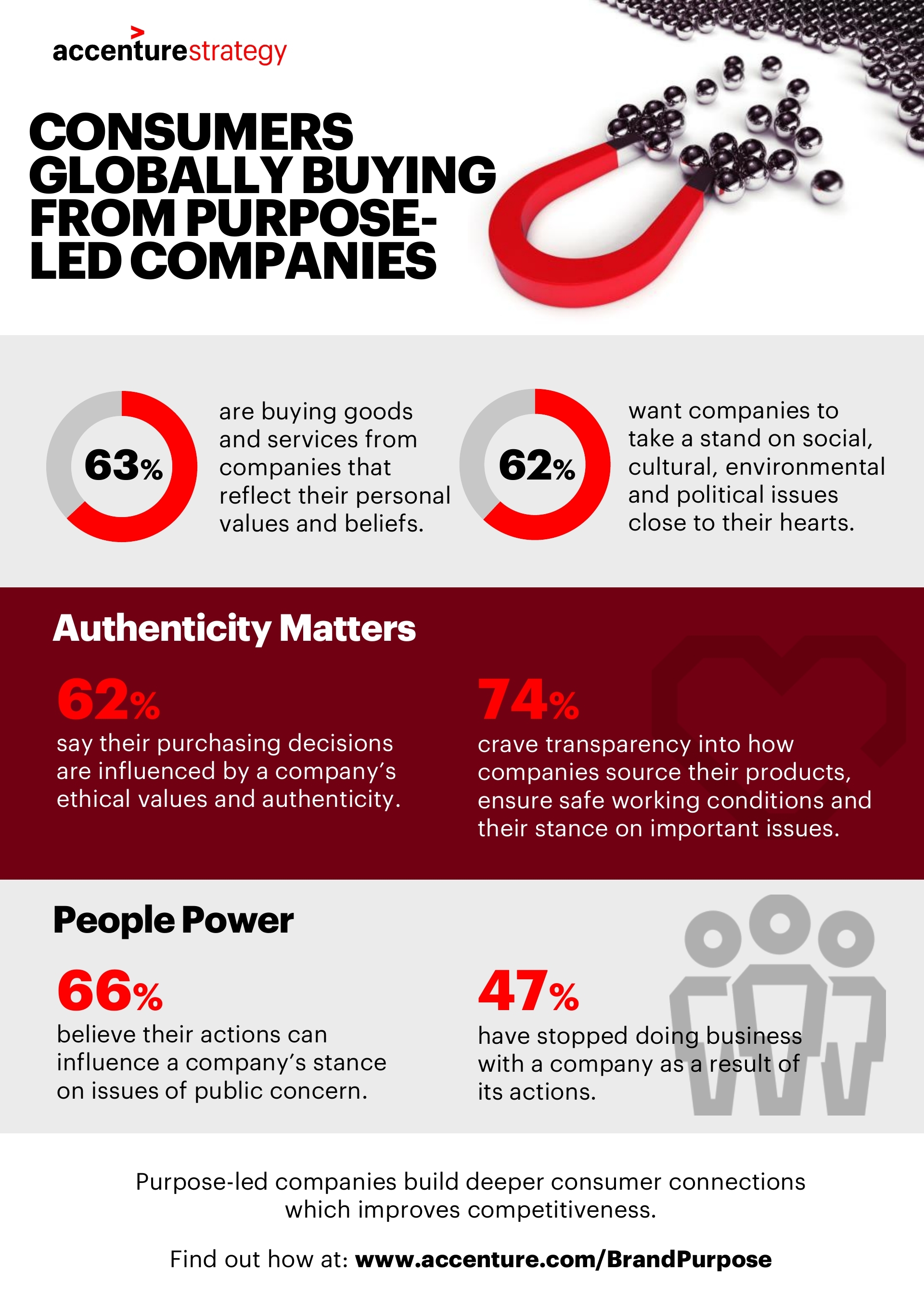
This approach isn't just ethical—it's essential for business success. Over 60% of consumers want companies to take a stand on social and environmental issues, and they're 4-6x more likely to trust and champion purpose-driven brands. In fact, 71% of consumers prefer buying from companies that align with their personal values.
The shift is generational and accelerating. Millennials and Gen Z demand transparency and genuine commitment from the brands they support. They can spot "purpose-washing" from a mile away, and they reward authenticity with fierce loyalty.
But here's what many leaders miss: mission-driven branding isn't a marketing tactic. It's a fundamental approach that shapes your company DNA, influences every decision, and transforms how you show up in the world.
When Patagonia announced they'd donate 100% of their Black Friday sales to environmental causes, they forecast $2-4 million in sales. They generated over $10 million. That's the power of a lived mission connecting with values-aligned customers.
I'm Jason R.L Wallace, CMO at Blue Goose Solutions, and I've spent 15 years helping mission-driven organizations—from the White House to community nonprofits—translate their purpose into clear messaging and engaged audiences. Whether you're launching a new initiative or struggling to articulate why your work matters, mission driven branding provides the framework to build trust, expand your reach, and create lasting impact.
The Foundations: What is Mission-Driven Branding?
At its heart, mission driven branding is a strategic marketing approach that places an organization’s core mission at the forefront of its communications. It’s about promoting a purpose and goals that resonate with stakeholders and contribute to a greater good.
Historically associated with non-profits, this approach is now being adopted by businesses in sectors like healthcare and education, often as part of their Corporate Social Responsibility (CSR) and philanthropy initiatives.
The philosophy is simple: it stems from an organization's desire to promote its purpose and goals, as outlined in its mission statement. These organizations aim to create a societal benefit, focusing on areas like education, environmental protection, or poverty alleviation.
Here’s a quick look at how mission driven branding stacks up against traditional marketing:
| Feature | Traditional Marketing | Mission-Driven Branding |
|---|---|---|
| Primary Focus | Product features, benefits, price, competitive positioning | Purpose, values, impact, "why" the company exists |
| Goal | Drive sales, market share, profit | Build movements, shape values, foster deep connections |
| Communication | What the product does, how it's better | What the company stands for, the change it creates |
| Customer View | Transactional relationship | Values-aligned partnership, community member |
| Success Metrics | Sales volume, ROI, brand awareness | Social impact, loyalty, advocacy, talent attraction |
| Foundation | Market analysis, competitive advantage | Core purpose, deeply ingrained principles, societal benefit |
Core Components of Mission-Driven Branding
For a brand to be truly mission-driven, it needs a solid internal framework. This isn't just about a catchy slogan; it's about deeply embedding purpose into your organizational DNA.
- Mission Statement: This is the heart of your branding. It encompasses your purpose and objectives, communicating what you do, for whom, and the outcome. A strong mission statement is concise, impactful, and guides all marketing strategy. If you're looking for guidance, this article on How to Write a Brand Mission Statement offers excellent advice.
- Vision Statement: While a mission covers the value you deliver, your vision focuses on the broader, long-term positive impact you aspire to create. It answers the question: "Where are we going?"
- Core Values: These are the ingrained principles that guide all company actions and serve as cultural cornerstones. They are the source of a company's distinctiveness and must be upheld at all costs. Your core values act as boundaries that influence every decision and behavior.
- Brand Purpose: This is the "why" behind your existence—the reason you get up every morning that goes beyond profit. It's the audacious goal that your mission statement works to achieve and connects with the change you want to see in the world.
- Company DNA & Founding Principles: Every company has a unique DNA, often ignited by its founders' vision. Some are customer-obsessed, others are product-dominant, and some are driven by a desire to change the world. This core identity profoundly influences its mission, purpose, and values. Understanding whether your company is primarily focused on customers, product innovation, or a world-changing mission is crucial because it dictates how you behave, what you prioritize, and how you should brand yourself. Authentic mission driven branding flows naturally from these founding principles.
The Rise of the Purpose-Driven Consumer
The landscape of consumer behavior has shifted dramatically. What was once a niche preference for ethical brands is now a mainstream expectation.
- Consumer Expectations & Value Alignment: Today, more than 60% of consumers want companies to take a stand on social, cultural, political, and environmental issues. Consumers are actively seeking out companies whose purpose reflects their personal values. In fact, a 2018 survey found that two-thirds of consumers globally prefer to buy from such companies.
- Brand Loyalty: This alignment translates directly into loyalty. Consumers are 4-6x more likely to champion and trust purpose-driven brands. When customers feel a company's public values are consistent with its actions, it fosters a deep connection and creates a powerful sense of advocacy.
- Generational Shifts: This movement is largely fueled by Millennials and Gen Z. They are more socially aware and seek purpose in the products they buy and in their work. They expect companies to have a purpose beyond profit and demand authenticity. For a brand to thrive, it must resonate with these generations' desire for positive change.
Crafting Your Authentic Brand: A Step-by-Step Approach

Building a truly mission driven brand is an ongoing journey of introspection, communication, and action. It requires translating your internal core identity into an external brand identity. At Blue Goose Solutions, we understand this process is foundational to sustainable growth and impact. You can learn more about our approach to helping organizations define and live their mission.
Finding Your "Why"
Before you can communicate your mission, you must deeply understand it. This starts with the "why," as popularized by Simon Sinek. His powerful message, urging us to "start with the why," shifted marketing's focus from mere features to the corporate values that underpin a business.
- Company DNA: A useful way to think about this is to identify your company's core DNA. Is your organization primarily:
- Customer-Centric? Your structure and success metrics revolve around putting the customer first.
- Product-Dominant? You are feature-driven, aiming for market leadership in your product category.
- Mission-Focused? You exist to fundamentally change behavior and how the world operates, like a company aiming to accelerate the transition to sustainable energy. Your company's DNA is the foundation of its position. Understanding this core identity will guide your authentic branding efforts.
- Core Ideology & Cultural Cornerstones: Your core ideology—comprising your mission and values—gives your company a strong sense of identity and continuity. Your core values are the ingrained principles that serve as your cultural cornerstones. They are the source of your distinctiveness and must be maintained at all costs.
- Evolving Your Mission: A brand's mission can and should evolve over time while remaining authentic. This evolution requires careful consideration, starting with leadership alignment. Then, reexamine your corporate values and honestly assess how the company is actually living them. This foundational work is critical before any external branding exercise.
Practical Strategies for Mission-Driven Branding
Once your "why" is clear, it’s time to weave it into every fiber of your brand.
- Brand Storytelling: Your mission provides the narrative arc for your marketing. Develop a storytelling framework that highlights the challenges your audience faces and the victories you help them achieve. Incorporate real-life examples and testimonials to make your story interactive.
- Content Marketing: Your content is a powerful vehicle for your mission. Create compelling content that solves your audience's problems and educates them about the issues your mission addresses. This could include blog posts, videos, case studies, and behind-the-scenes glimpses. For more insights, be sure to Read our blog for more insights.
- Weaving Mission into Messaging: Ensure your mission is consistently reflected in all communication. From your website copy to social media posts, your commitment should be evident. This consistency builds trust and reinforces your brand.
- Questions to Ask When Building Your Brand Story:
- What change does our work create in the world?
- Who is our work designed to serve?
- What makes our approach distinct?
- How are we already living our purpose day-to-day?
- What problem do we solve, and what new possibility do we create for our audience?
- Acknowledging Mistakes: Authenticity isn't about perfection; it's about transparency. Part of mission driven branding is being honest about challenges and even mistakes. Publishing impact reports, hosting Q&A sessions, and creating behind-the-scenes content that shows your real work—including setbacks—builds immense trust.
Bringing Your Mission to Life: Communication & Engagement

Once your mission is clearly defined, the next step is to communicate it effectively and engage your stakeholders. This means strategically leveraging various marketing channels to tell your story and foster a community around your cause.
Communicating Your Mission Across All Channels
Effective mission driven branding requires a multi-channel approach, ensuring your message is consistent and compelling wherever your audience is.
- Website Messaging: Your website is your digital home. It must be well-designed, mobile-friendly, and clearly articulate your mission, services, and impact. Use it to share in-depth information, highlight your work, and provide clear ways for visitors to get involved.
- Social Media Engagement: Social media is a powerful tool for sharing impact stories, promoting events, and engaging with your audience in real-time. Post useful, interesting, or entertaining content, engage with followers, and encourage sharing.
- Email Marketing: This remains a highly effective way to build relationships. Use personalized emails for newsletters, success stories, event invitations, and important announcements. Clear calls to action are essential to drive engagement.
- Video Marketing: Video content is incredibly powerful because it elicits an emotional response. Use videos to highlight community impacts, share testimonials, show how challenges are being addressed, or explain complex issues. Keep them relatable and concise.
- SEO for Mission-Driven Topics: To ensure your mission reaches those who are actively searching, optimize your content for search engines. Research and use relevant keywords, and create content that answers the questions your potential supporters are asking. This increases your visibility and drives organic traffic. For non-profits specifically, understanding how to cut through the noise is crucial; dig into Nonprofit Marketing: Separating Fact From Fiction for more.
- Print Media: While digital dominates, print still holds a significant place, providing a tangible way to connect. Think business cards, brochures, or annual reports. Integrating brand-consistent print materials can create a powerful impression, particularly for local campaigns in areas like Oxon Hill, Maryland, or Washington DC.
- Events: Hosting or participating in events is an excellent way to increase awareness and connect with your community. Workshops, open houses, and fundraisers allow for direct engagement, whether in Alexandria VA or Fort Washington.
The Power of Community Engagement and Partnerships
Mission driven branding thrives on community. It’s about building a movement, not just a customer base.
- Building a Movement: Successful brands today aren’t just selling products; they’re building movements and shaping values. This involves fostering a sense of shared purpose that extends beyond transactional relationships.
- User-Generated Content: Empower your audience to become advocates. Ask customers to share their experiences on social media. This user-generated content is incredibly authentic and reinforces your mission.
- Hosting Events: Organize virtual or in-person community events aligned with your company goals. These can be opportunities for education, collaboration, or celebration, turning customers into active participants.
- Feedback Loops: Actively solicit feedback and ideas from your audience. This not only makes your community feel valued but also provides invaluable insights for continuous improvement.
- Influencer Partnerships: Collaborate with influencers or experts who are genuinely passionate about your mission. Their authentic endorsement can significantly amplify your message.
- Coalition Building for Shared Impact: Sometimes, the biggest impact comes from working together. Form coalitions with other organizations to support a single cause. The countless programs spearheaded by the Ad Council, such as "She Can STEM," demonstrate the power of collective action in driving social change.
The Impact and Benefits of Mission-Driven Branding
Embracing mission driven branding isn't merely a feel-good exercise; it's a strategic imperative with tangible benefits that impact your bottom line, your team, and your community.
- Customer Loyalty: When customers align with your values, they become fiercely loyal. They're not just purchasing a product; they're investing in a cause they believe in. This deep connection fosters advocacy, turning customers into brand champions. As one CEO noted, "Having a brand that is consistent with your company's public values can garner consumer loyalty."
- Talent Attraction: In today's job market, top talent seeks more than just a paycheck. They want their work to contribute to something larger than themselves. Mission-driven companies attract employees who are passionate about the cause, leading to higher engagement, better performance, and increased retention.
- Social Impact: By definition, mission driven branding focuses on creating positive change. This means your business contributes to the greater good, addressing societal challenges like environmental protection or poverty alleviation. This impact can influence peers and set a benchmark for ethical behavior in your industry.
- Market Differentiation: In a crowded marketplace, a clear and authentic mission sets you apart. Your values clarify your identity and provide a unique selling proposition that resonates with conscious consumers, allowing you to stand out from the "sea of sameness."
- Increased Sales: The Patagonia Black Friday example isn't an anomaly. Brands that genuinely live their values often see increased sales because consumers are willing to pay more for products from companies that share their beliefs. A survey highlights that two-thirds of consumers prefer to buy from companies whose purpose aligns with their values.
Measuring Success and Proving Impact
While the qualitative benefits are clear, measuring success is crucial for demonstrating ROI and refining your strategies.
- Key Performance Indicators (KPIs): Establish specific, measurable, achievable, relevant, and time-bound KPIs related to your mission. These might include metrics for social impact, customer engagement, and employee satisfaction.
- Brand Perception Surveys: Conduct regular surveys to gauge how your audience perceives your brand's mission and values. Do they feel you're authentic?
- Social Media Engagement Metrics: Track likes, shares, and comments on your social channels. High engagement often indicates that your mission-driven content is resonating.
- Impact Reports: Regularly publish comprehensive impact reports detailing your progress toward your mission goals. Use quantifiable outcomes and visual data to tell your story of change. This transparency builds trust.
- Employee Satisfaction: Measure employee satisfaction and retention rates. A highly satisfied and loyal workforce is a strong indicator that your mission is resonating internally.
- A/B Testing: Don't guess; test! Use A/B testing to optimize your mission-driven messaging. This data-driven method allows you to test different content, imagery, or calls to action to see what best resonates with your audience and drives desired outcomes.
Navigating Challenges and Avoiding "Purpose-Washing"
While the benefits are profound, mission driven branding is not without its challenges. The biggest pitfall? "Purpose-washing"—when a company claims a mission but doesn't genuinely live up to it.
- Authenticity Pitfalls: Brands that merely pay lip service to a cause risk significant backlash. Authenticity means living your values through actions, not just words. If it doesn't align with your established DNA, it will not resonate.
- "Purpose-Washing": This term describes deceptively promoting a purpose to appear more ethical than you are. It's a quick way to erode trust and damage your brand's reputation.
- Inconsistency: Consistency is the "holy grail" of marketing. It constantly reaffirms what your brand stands for. Inconsistency, on the other hand, can break your entire marketing system. A cracked brand is a broken brand.
- Living Your Values: Empty values statements create cynical employees and alienate customers. For a truly impactful approach, a company must be willing to accept the pain real values can incur, such as making financial sacrifices to uphold them. Your values must be integrated into everything you do.
- Aligning Actions with Words: This is the ultimate test of authentic mission driven branding. It means making courageous decisions, sometimes at the expense of short-term profits, to uphold your values. Patagonia's decision to donate 100% of its Black Friday sales is a prime example of a brand aligning actions with words, leading to overwhelming success.
Frequently Asked Questions about Mission-Driven Branding
How is mission-driven branding different from cause marketing?
Mission driven branding is fundamental to an organization's identity. It's woven into its core purpose, guiding all actions, decisions, and communications. It's who the brand is. Cause marketing, on the other hand, is typically a specific, time-bound promotional campaign that links the purchase of a product or service to a particular cause or charity. It's often a tactic used by brands, not necessarily their entire identity. A truly mission-driven brand incorporates cause-related activities as an authentic extension of its inherent purpose, rather than an add-on.
Can any company become mission-driven?
Yes, in principle, any company can become mission-driven, but it requires genuine commitment from leadership and a willingness to embed purpose into the company's culture, operations, and strategy—not just its marketing. It's a transformative journey that necessitates defining a clear "why" beyond profit and then consistently living those values. For some companies, this might involve a significant re-evaluation of their business model and a willingness to make sacrifices in service of their mission. It’s a strategic choice, not a superficial rebranding.
What's the first step to creating a mission-driven brand?
The very first step to creating a mission driven brand is internal foundational work. This involves deeply defining your core purpose (the "why" you exist), your mission (the "what" you do and "how" you do it), and your core values (the guiding principles for every decision). This isn't a task for the marketing department alone; it requires alignment and input from leadership and ideally, the entire team. This solid internal foundation is absolutely critical before any external branding or communication can begin authentically.
Conclusion
As we've explored, mission driven branding is far more than a trend; it's the future of how businesses connect with their audiences and create lasting impact. By embedding your purpose, values, and story into every facet of your organization, you open up a powerful engine for authentic growth. You build unwavering customer loyalty, attract top-tier talent, differentiate yourself in the market, and contribute meaningfully to the world.
The shift towards conscious consumerism means that brands are now expected to stand for something beyond their products. This isn't just about good intentions; it's about strategic action. When your mission is clear, lived authentically, and communicated consistently, you don't just sell; you inspire, you lead, and you make a difference.
At Blue Goose Solutions, we specialize in helping purpose-driven organizations like yours—from nonprofits to public agencies and CSR initiatives—clarify their messages, grow their reach, and build unwavering support. We understand the unique challenges and immense potential of mission driven branding, and we're here to provide the flexible support models you need, whether it's strategic coaching or full-scale implementation.