
The Impact Playbook: How to Get Noticed with Social Good Marketing
Why Social Good Marketing is Reshaping How Brands Connect

Social good marketing is a strategic approach where businesses align their brand with a social, environmental, or humanitarian cause to create positive change while building deeper connections with their audience. Unlike traditional marketing that focuses solely on product features and sales, social good marketing integrates purpose into the core of how companies communicate and operate.
Quick Definition:
| Aspect | Traditional Marketing | Social Good Marketing |
|---|---|---|
| Primary Goal | Drive sales and revenue | Drive impact and business results |
| Focus | Product benefits | Shared values and social outcomes |
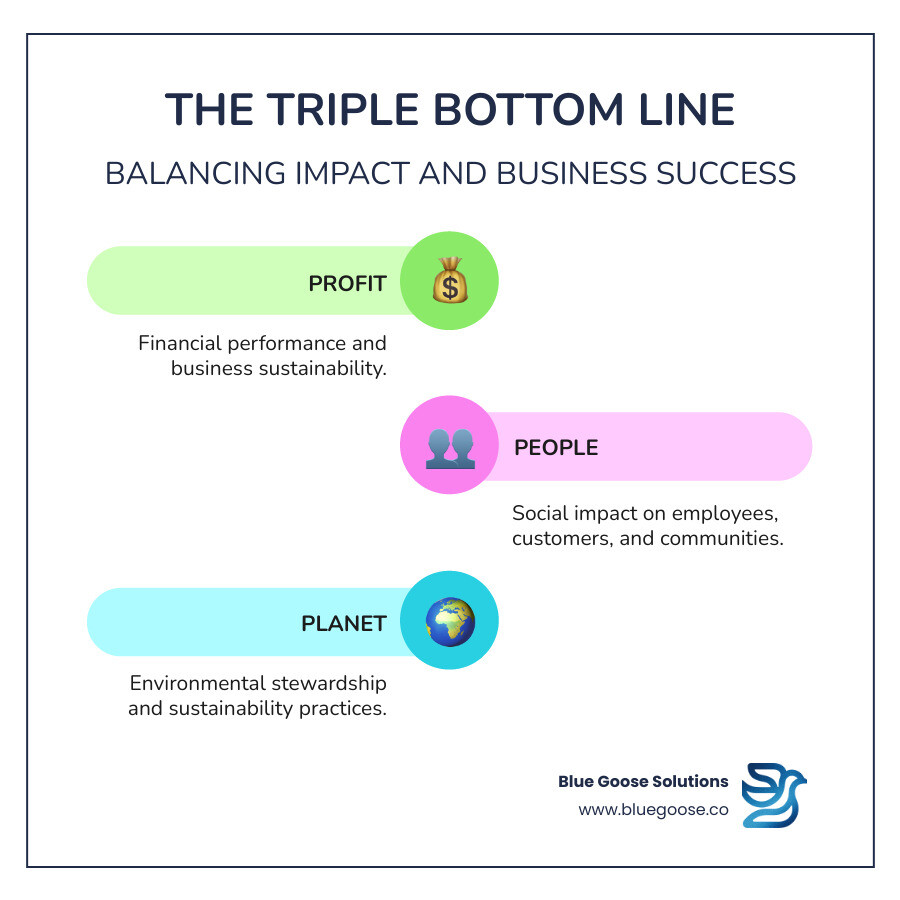
| Measurement | ROI and profit margins | Triple Bottom Line (Profit, People, Planet) |
| Consumer Relationship | Transactional | Values-based and long-term |
This isn't just a trend—it's a fundamental shift in consumer expectations. 86% of Americans say brands should take a stand on social issues, and 77% of consumers are motivated to purchase from companies committed to improving the world. Gen Z has made this especially clear: roughly 40% have stopped buying from brands that don't align with their values.
The stakes are real. Today's consumers don't just want to know what you sell—they want to know why you exist and what you stand for.
At Blue Goose Solutions, we've spent over 15 years working at the intersection of community engagement, strategic communications, and social impact—including leading national social good marketing efforts for the All of Us Research Program at NIH. Throughout this guide, we'll show you how to build authentic campaigns that drive measurable results for both your mission and your bottom line.
The Rise of the Purpose-Driven Consumer: Why Social Good Matters Now
In today's marketplace, consumers are more informed and value-driven than ever before. It's no longer enough for a brand to simply offer a good product or service; they must also demonstrate a commitment to making a positive impact on the world. Our research shows that 55 percent of American consumers believe it’s important for companies to take a stand on key social, environmental, and political issues. This sentiment isn't just a passing fad; it's deeply ingrained in how people make purchasing decisions.
64% of consumers consider themselves to be belief-driven, meaning their purchasing choices are influenced by a company's values and actions. This trend is particularly strong among younger generations. 60% of Millennials, 53% of GenZers, and 51% of GenXers 'buy on belief', opting to support brands that align with their personal ethics. This means that for businesses operating in areas like Oxon Hill, Maryland, Washington D.C., Alexandria, VA, or Fort Washington, understanding and responding to these consumer expectations is crucial for building lasting relationships.
When we engage in social good marketing, we're not just selling products; we're building trust and loyalty by demonstrating our shared values. Consumers are actively seeking out brands that are part of the solution, not the problem. This is why 77 percent of consumers are motivated to purchase from companies committed to improving the world. By taking a stand on social issues and backing it up with genuine action, we can cultivate a loyal customer base that champions our brand.
What is Social Good Marketing and Why is it Important?
At its heart, social good marketing is about achieving a "common good." While traditional commercial marketing primarily aims for financial gain, social good marketing seeks to promote a company’s role in the community and its positive impact, often leading to financial success as a beneficial byproduct. It's about integrating purpose into every aspect of our communication and operations.
This approach is closely tied to Corporate Social Responsibility (CSR), which refers to a brand's effort to have a positive impact on people and the planet. For purpose-driven organizations—whether they are nonprofits, public agencies, or businesses with strong CSR initiatives—social good marketing is essential for clarifying messages, growing reach, and building support for their missions. As we've seen, 77% of consumers are motivated to purchase from companies committed to improving the world, making a strong CSR presence not just ethical, but strategically vital.
A robust social good marketing strategy can significantly improve our brand reputation and differentiate us from competitors. In a crowded marketplace, showing genuine commitment to social causes helps us stand out, resonate with our target audience, and foster a deeper connection that goes beyond mere transactions. To learn more about how we help organizations like yours clarify their message and build support, visit our About Us page.
The Financial and Social ROI of Doing Good
The notion that doing good is at odds with doing well is outdated. In fact, social good marketing offers substantial financial and social returns on investment. When we align our brand with meaningful causes, we often see a direct impact on our bottom line. Increased consumer loyalty, driven by shared values, can translate into higher sales and repeat business. For example, 73% of Millennials said they’d be willing to spend more on products from sustainable brands. This purchasing power speaks volumes: consumers are ready to pay a premium for purpose.
Beyond sales, a strong commitment to social good helps us attract and retain top talent. Employees, especially younger generations, want to work for companies that reflect their values. Companies that offer opportunities for their staff to contribute to social causes, such as Deloitte's policy of offering employees up to 48 paid volunteer hours, often experience higher employee engagement and satisfaction. This not only creates a more positive internal culture but also reduces turnover and boosts productivity.
Investing in social good marketing contributes to long-term brand health. It builds resilience, fosters a positive public image, and creates a sense of community around our brand. In an era where authenticity is paramount, our genuine efforts to improve the world become an invaluable asset, driving both financial prosperity and meaningful social change.
Crafting Your Authentic Impact Strategy
The foundation of any successful social good marketing endeavor is authenticity. It’s not about slapping a cause onto our brand; it’s about genuinely integrating social good into our core operations and values. Consumers are savvy, and they can spot a superficial campaign a mile away. Our actions must always match our words.
To build an authentic strategy, we must first align our social good initiatives with our core business values. What does our company naturally stand for? What problems are we uniquely positioned to help solve? For instance, a local construction company in Washington D.C. might focus on affordable housing initiatives, while a tech startup in Alexandria, VA, could support digital literacy programs. The key is to ensure that our chosen cause makes sense for our brand and resonates with our employees and customers.
Integrating social good into our operations means it's not just a marketing add-on, but a fundamental part of how we do business. This can involve ethical sourcing, sustainable practices, fair labor, or giving employees paid time off for volunteering.

Whether we're a for-profit business or a nonprofit organization, the principles of authenticity remain the same. While the specific strategies might differ—for-profits often integrate social good into their branding and CSR, while nonprofits are the social good—both benefit from clear messaging and strategic communication. For more insights into effective strategies for mission-driven organizations, we encourage you to explore our nonprofit marketing insights.
Key Elements of a Successful Campaign
A successful social good marketing campaign isn't accidental; it's the result of careful planning and execution. Here are the key elements we focus on:
- Clear Mission: Every campaign needs a well-defined purpose. What specific problem are we addressing? What change do we hope to achieve? Our mission should be concise, compelling, and easy for our audience to understand.
- Authentic Partnerships: Collaborating with credible nonprofit organizations or community groups is vital. We look for partners whose values align with ours and who have a proven track record of impact. These partnerships should be genuine and long-term, not merely transactional.
- Compelling Storytelling: People connect with stories, not just statistics. We need to tell the human stories behind our cause, showcasing the impact we're making and inspiring empathy and action. This involves highlighting beneficiaries, volunteers, and the challenges they face.
- Specific Call-to-Action: What do we want our audience to do? Donate? Volunteer? Share a message? Sign a petition? The call-to-action must be clear, simple, and easy to execute.
- Measurable Goals: Just like any other marketing initiative, our social good efforts need quantifiable objectives. We always develop SMART goals for our initiatives—Specific, Measurable, Achievable, Relevant, and Time-bound—to track progress and demonstrate impact.
By focusing on these elements, we can create campaigns that not only resonate deeply with our audience but also deliver tangible results for the causes we support.
For Businesses of All Sizes: From Startups to Corporations
Social good marketing isn't just for multinational giants; it's a powerful tool for businesses of all sizes, from local startups in Fort Washington to large corporations with offices in Washington D.C. The key is to tailor our strategies to our resources and local context.
For smaller businesses, local community engagement is a fantastic starting point. This could involve sponsoring a local youth sports team, participating in neighborhood clean-ups, or partnering with a local food bank. These initiatives build goodwill directly within our immediate operating areas, fostering strong community ties that can translate into loyal customers. Think about a local restaurant in Oxon Hill offering free meals to frontline workers or a small business in Alexandria, VA, supporting a local school.
Employee volunteer programs are another excellent way to integrate social good. Even if we can't offer 48 paid volunteer hours like Deloitte, we can organize team volunteer days or encourage skill-based giving where employees use their professional expertise to support a local nonprofit. This not only benefits the community but also boosts employee morale and strengthens team bonds.
Leveraging existing resources means we don't always need a massive budget. We can donate excess products, offer pro bono services, or simply use our platform to raise awareness for a cause. Many companies are also exploring third-party certifications for social impact, such as becoming a Certified B Corporation. These "B Corps" meet "high standards of social and environmental performance, transparency and accountability." The US, in fact, has one of the highest numbers of certified B Corp businesses, showing a growing commitment to this model. Becoming a B Corp demonstrates a deep, verifiable commitment to social good, which can be a significant draw for belief-driven consumers.
Bringing Your Campaign to Life: Tactics and Technology
Once we've crafted an authentic strategy, it's time to bring our social good marketing campaign to life. In today's interconnected world, digital marketing plays an indispensable role in amplifying our initiatives.

Digital channels allow us to reach vast audiences, engage them interactively, and share our stories with unprecedented speed and scale. Social media, in particular, is a powerful tool for amplification. Consumers are actively looking for information about brands' social efforts online: 41% of consumers look for environmental information on social media, and 34% check product and brand websites.
We can leverage platforms like Facebook, Instagram, and Twitter to promote our campaigns, share updates, and encourage user-generated content. A great example of this is Disney Parks’ #ShareYourEars social media campaign, where Disney donated $5 to the Make a Wish Foundation for every photo posted with their #ShareYourEars photo frame and hashtag. This simple, interactive campaign resulted in a $2 million donation and immense organic reach. By creating a compelling hashtag and a clear call to action, we can inspire our audience to become advocates for our cause.
Video storytelling is another incredibly effective digital tactic. Nothing pulls at the heartstrings like a well-told story about how our brand is improving real people’s lives. With nearly 5 billion videos viewed every day on YouTube alone, the potential for impact through video is immense. We can use short, engaging videos to showcase our initiatives, highlight beneficiaries, and share the passion of our team.
Effective Social Good Marketing Examples
Here are some proven tactics and inspiring examples that demonstrate the power of social good marketing across various industries:
- Cause-Related Promotions: Donating a percentage of sales to a cause. Patagonia famously donated 100 percent of its 2016 Black Friday sales, totaling a record $10 million, to non-profit environmental partners. This not only generated significant funds but also garnered immense positive media attention. Similarly, the "1% for the Planet" initiative connects businesses with environmental causes, offering a clear framework for giving back.
- Buy-One-Give-One (BOGO) Models: For every product sold, another is donated to someone in need. Warby Parker's glasses initiative is a prime example, donating a pair of glasses for each pair sold and funding eye care training. While some BOGO strategies have been criticized for overlooking root problems, they remain emotionally compelling for consumers who want to feel good about their purchases.
- Employee Volunteerism and Skill-Based Giving: Empowering employees to contribute their time and skills. As mentioned, Deloitte offers employees up to 48 paid volunteer hours, allowing them to support causes they care about and strengthen community ties. This also boosts internal morale and can generate earned media.
- Interactive Digital Experiences (Games, Apps): Engaging consumers through gamified giving. The mobile gaming industry is rapidly expanding, and games can be a fun way to increase participation in purposeful giving. Examples like "Save the Park," developed by American Express, engaged players in environmental conservation. Apps like Charity Miles also incentivize users by donating money every time someone runs, bikes, or walks.
- Community-Focused Events: Hosting events that directly benefit a cause or community. Singer Adele, for instance, gave concert tickets to people who donated $20 or more to Sands charity for a UK performance. More broadly, IBM implemented an ingenious campaign where their billboards doubled as handicap ramps, rain shelters, and benches, providing immediate, tangible value to the public.
- Taking a Bold Stand: Sometimes, social good marketing means taking a stance on a significant social issue, even if it's controversial. Nike’s campaign with former NFL quarterback Colin Kaepernick, though highly politicized, resonated strongly with their target audience, demonstrating their commitment to Black athletes and social justice. Similarly, Ben & Jerry’s has consistently made strong corporate statements about racial injustice, backing their words with action and educational content, earning them fierce customer loyalty.
The Power of Digital Storytelling
Our ability to tell compelling stories is more crucial than ever. Digital storytelling allows us to create an emotional connection with our audience by showcasing the real-world impact of our social good marketing efforts.
We can use various formats, from short videos and infographics to blog posts and social media campaigns, to illustrate the challenges our causes address and the positive changes we're making. Transparency is key here; consumers want to see genuine effort and tangible results, not just lofty promises. Highlighting the beneficiaries of our programs and the dedicated partners we work with humanizes the cause and makes it relatable.
Think about the sheer volume of content consumed online: nearly 5 billion videos are viewed every day on YouTube alone. This incredible reach means that a well-produced video documenting a community project in Fort Washington or a volunteer effort in Oxon Hill can touch countless lives, inspiring others to join our mission or support our brand. By focusing on authentic narratives and clear impact, digital storytelling can transform passive observers into active participants and loyal advocates.
Measuring Success and Avoiding Common Pitfalls
To truly leverage the power of social good marketing, we must commit to measuring its impact and being vigilant about potential pitfalls. Without clear metrics, we can't understand what's working, what needs adjustment, or the true return on our investment.
We look beyond traditional financial metrics to assess success. Key Performance Indicators (KPIs) for social good initiatives often include quantifiable outcomes like funds raised, volunteer hours logged, and beneficiaries served. We also dig into Social Return on Investment (SROI), which aims to put a monetary value on the social and environmental good created. Furthermore, brand sentiment analysis—monitoring what people are saying about our brand online—is crucial for understanding public perception. Gathering direct stakeholder feedback, from our employees to the communities we serve, provides invaluable qualitative insights into our efforts.
How to Measure Your Social Good Marketing Impact
Measuring the impact of our social good marketing efforts involves a blend of quantitative and qualitative data:
- Tracking Donations and Volunteer Hours: These are direct indicators of engagement and resource allocation. For example, knowing how many hours our team in Washington D.C. volunteered at a local shelter, or the total funds raised for a charity in Alexandria, VA, provides clear evidence of impact.
- Website Traffic and Engagement: We monitor how many people visit pages related to our social good initiatives, how long they stay, and what actions they take (e.g., signing up for newsletters, downloading reports).
- Social Media Mentions and Reach: Tools that track hashtags, mentions, and overall campaign reach help us understand brand awareness and public conversation around our cause.
- Customer Surveys: Directly asking our customers about their awareness of our social good efforts and how it influences their purchasing decisions provides valuable insights into brand loyalty and perception.
- Media Value: Tracking earned media—news articles, blog features, and social shares—related to our initiatives helps us quantify the public relations value of our campaigns.
All these measurements should tie back to the SMART goals we established at the outset, allowing us to continually refine our strategies for maximum impact.
The Trap of "Greenwashing" and Inauthenticity
While the benefits of social good marketing are clear, there's a significant pitfall to avoid: greenwashing. Greenwashing occurs when brands make unsubstantiated or misleading claims about their environmental or social practices, pretending to be purpose-driven without genuine effort. This can involve relying on "half-baked attempts to paper over problematic corporate practices with thinly-veiled public relations/marketing campaigns."
The risk of consumer cynicism from greenwashing is immense. As we've seen, roughly 40% of all consumers (Gen Z) have stopped purchasing from brands misaligned with their values. If our social good efforts are perceived as disingenuous, it can severely damage our brand reputation, erode trust, and alienate our most valuable customers.
A high-profile cautionary tale is Pepsi's 2017 advertisement featuring Kendall Jenner, which attempted to align with the Black Lives Matter movement but was widely criticized for trivializing serious social issues. The backlash was swift and severe, highlighting the importance of deep engagement and authenticity.
To avoid this trap, we must ensure our actions consistently match our words. This means integrating social good into every level of our company's operations, from supply chains to employee policies. Our commitment must be genuine, long-term, and backed by verifiable impact. It's far better to do a few things well and transparently than to make grand, unsubstantiated claims.
Conclusion
Social good marketing is no longer an optional add-on; it's a fundamental component of a resilient and successful brand strategy. It's about balancing profit with purpose, recognizing that our impact on people and the planet is as crucial as our financial performance. By embracing authenticity, fostering meaningful partnerships, and leveraging the power of digital storytelling, we can create campaigns that not only drive business growth but also contribute to a better world.
The future is purpose-driven, and consumers expect brands to lead the way. Taking that first step—whether it's by aligning with a local cause in Fort Washington or committing to sustainable practices across our operations—is an investment in our brand's longevity and our community's well-being.
At Blue Goose Solutions, we specialize in helping purpose-driven organizations—nonprofits, public agencies, and businesses with strong CSR goals—clarify their messages, grow their reach, and build unwavering support for their missions. We believe that when good intentions are met with strategic communication, incredible things happen.
For more insights into how to steer the evolving landscape of purpose-driven initiatives, especially for mission-based teams, we invite you to explore our comprehensive nonprofit marketing guide. Let's make an impact, together.
